About
Nef
I never studied art. I learned by watching what happens to materials when you treat them badly, and then well.
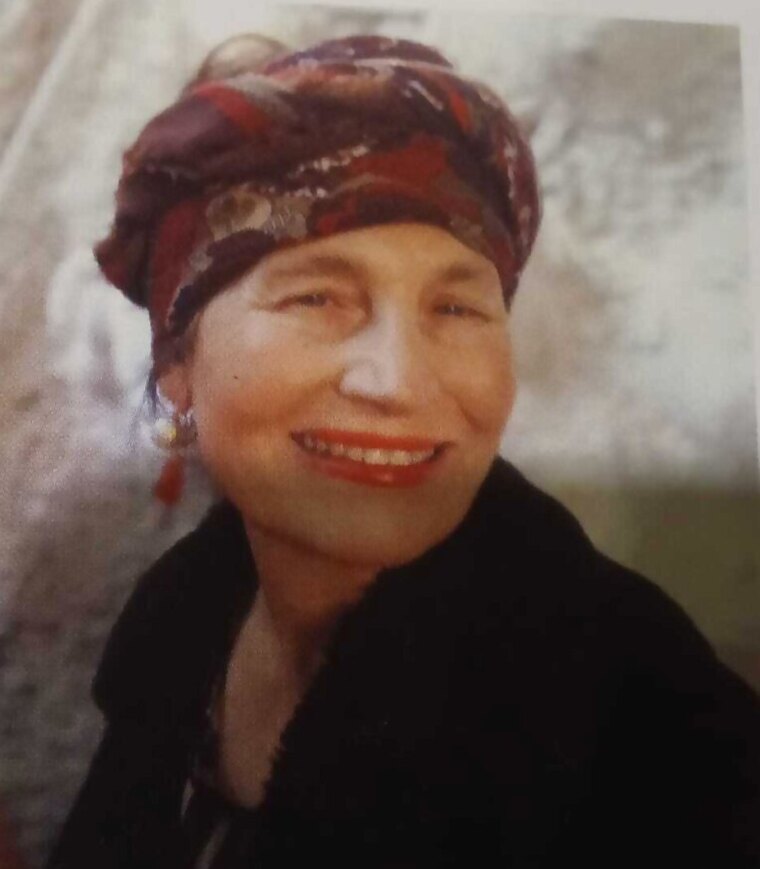
Cira Pignatiello
Self-taught, from Somma Vesuviana
I was born in Pomigliano d'Arco, near Naples, and I live in Somma Vesuviana. I have always loved music, reading and poetry. Nobody taught me how to do this work.
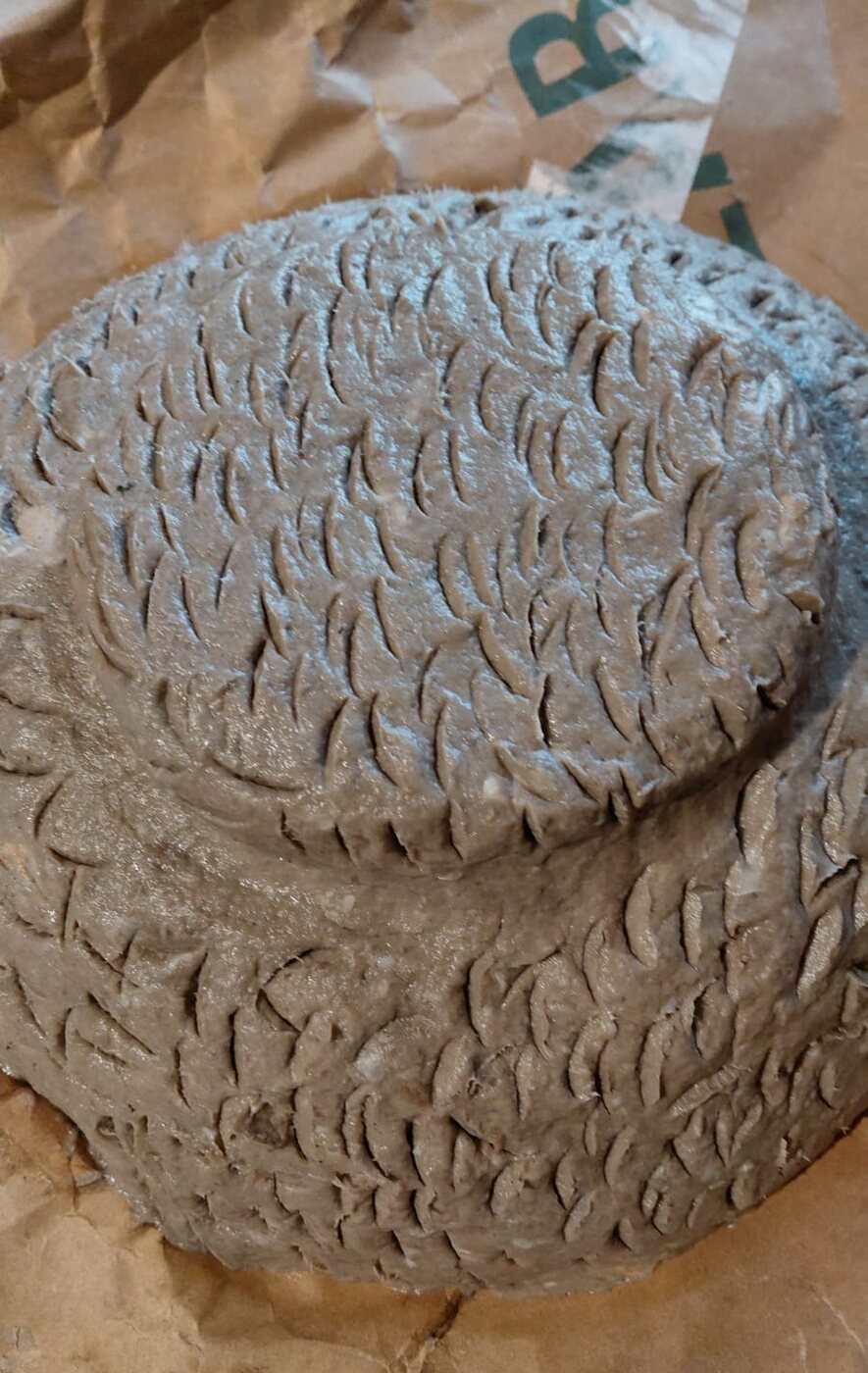
In 1998 I had an idea: take the used frying oil from the kitchen and mix it with other materials to see what came out. What came out was a paste you can model like clay. I made my first sculptures with it, together with the tinfoil and cork stoppers I had been keeping.
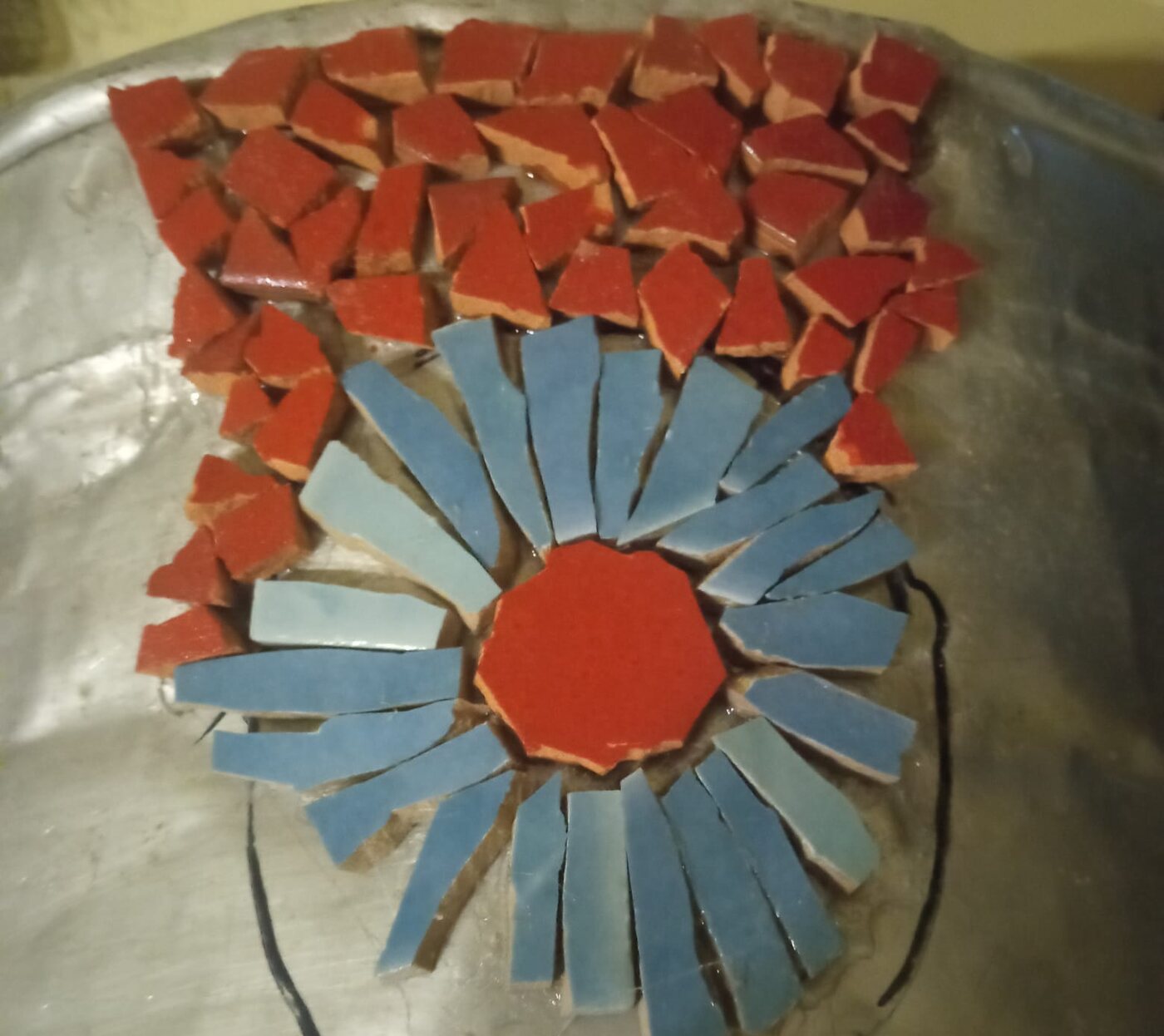
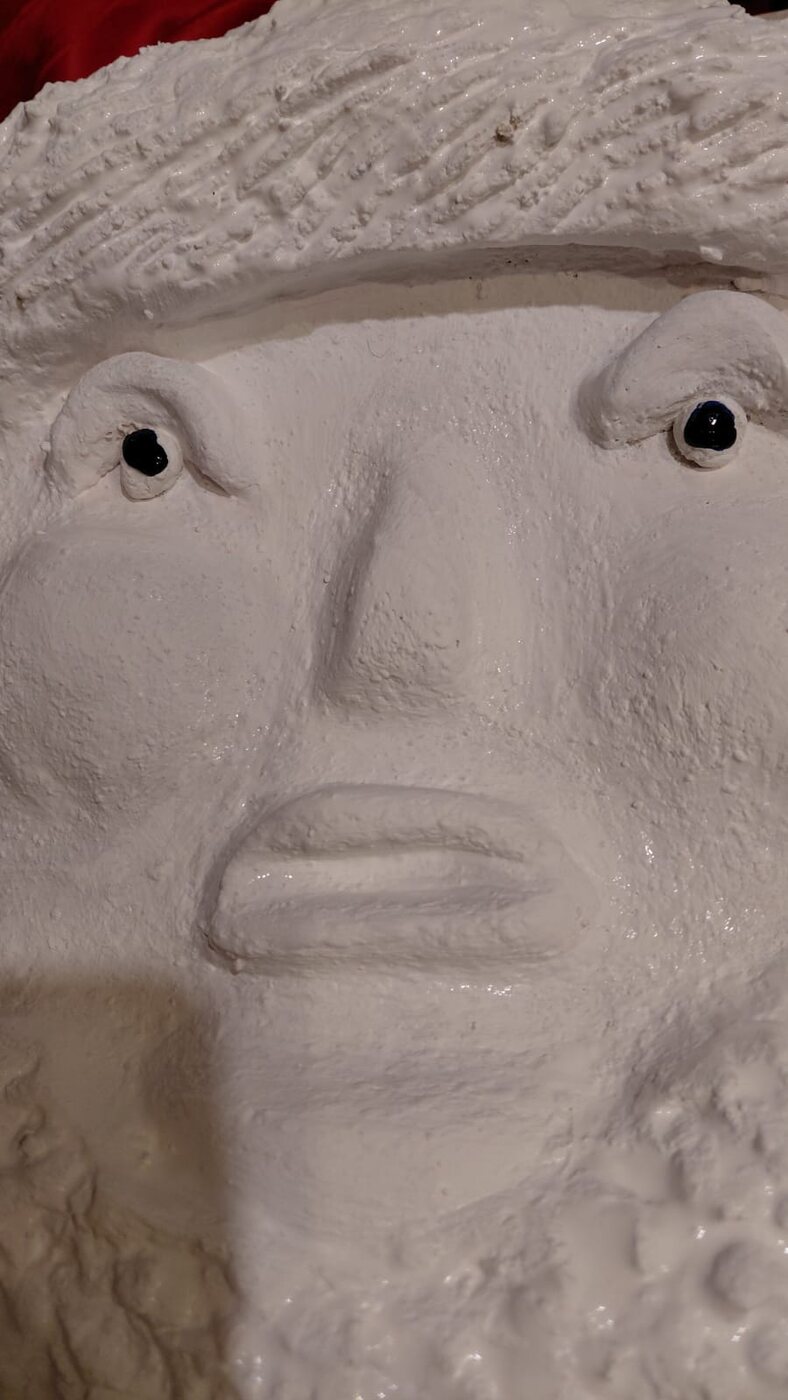
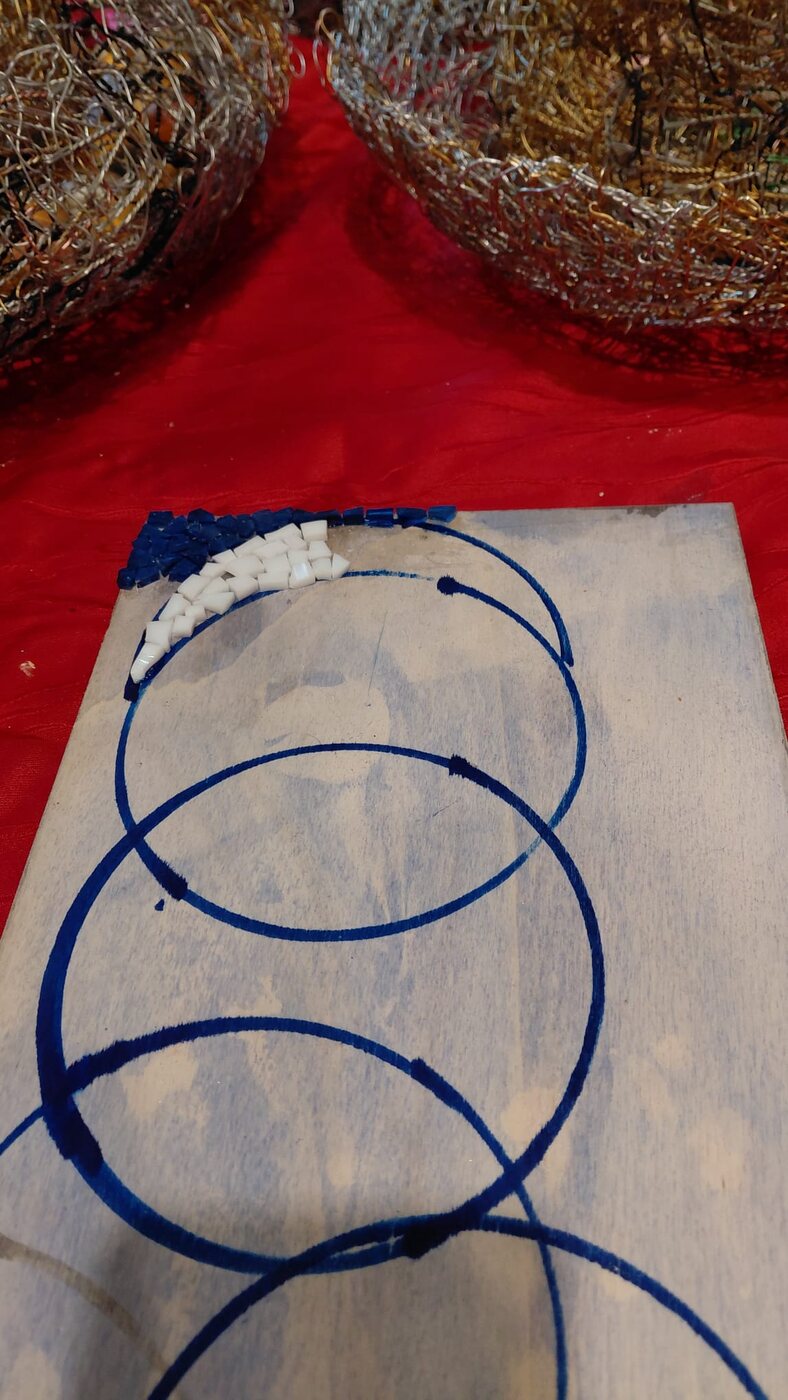
I have not stopped since. Geometric decorations on pieces of wood and on iron sheets, mosaics from smashed tiles, baskets woven from fencing wire, faces, papier mache bowls. Nearly everything I use was picked up in the street, at the landfill or by chance, and it was in perfect condition.
For years I never took part in exhibitions or competitions. My work first left the house with the Polychromia catalogues of 2023 and 2024, curated by Dino Marasà.
The method
How a work is made
Gathering
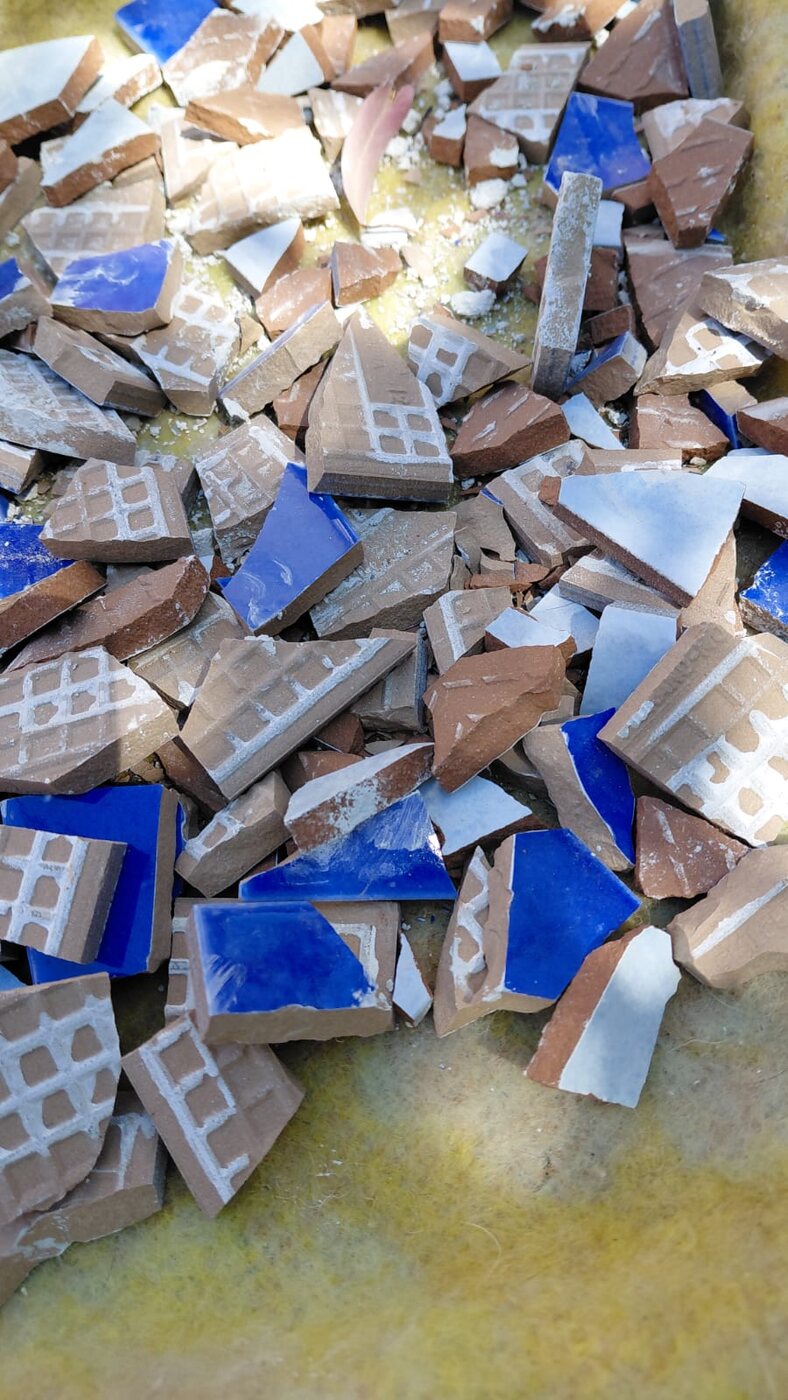
The caps come from the village bars and from neighbours, who know by now that I keep them. The tiles come from houses being renovated and from tile warehouses, in bags of leftovers that are no longer enough for a floor. The wire comes from rolls of fencing left out in the fields. It all piles up in the house, sorted into jars, and then it waits.
The paste
Used frying oil from the kitchen, mixed with other materials, becomes a thick paste you can work by hand like clay. That was my idea back in 1998 and I have prepared it the same way ever since. As it dries it takes on the colour of beaten earth, and on that base you can glue, paint and carve.
Cutting and laying
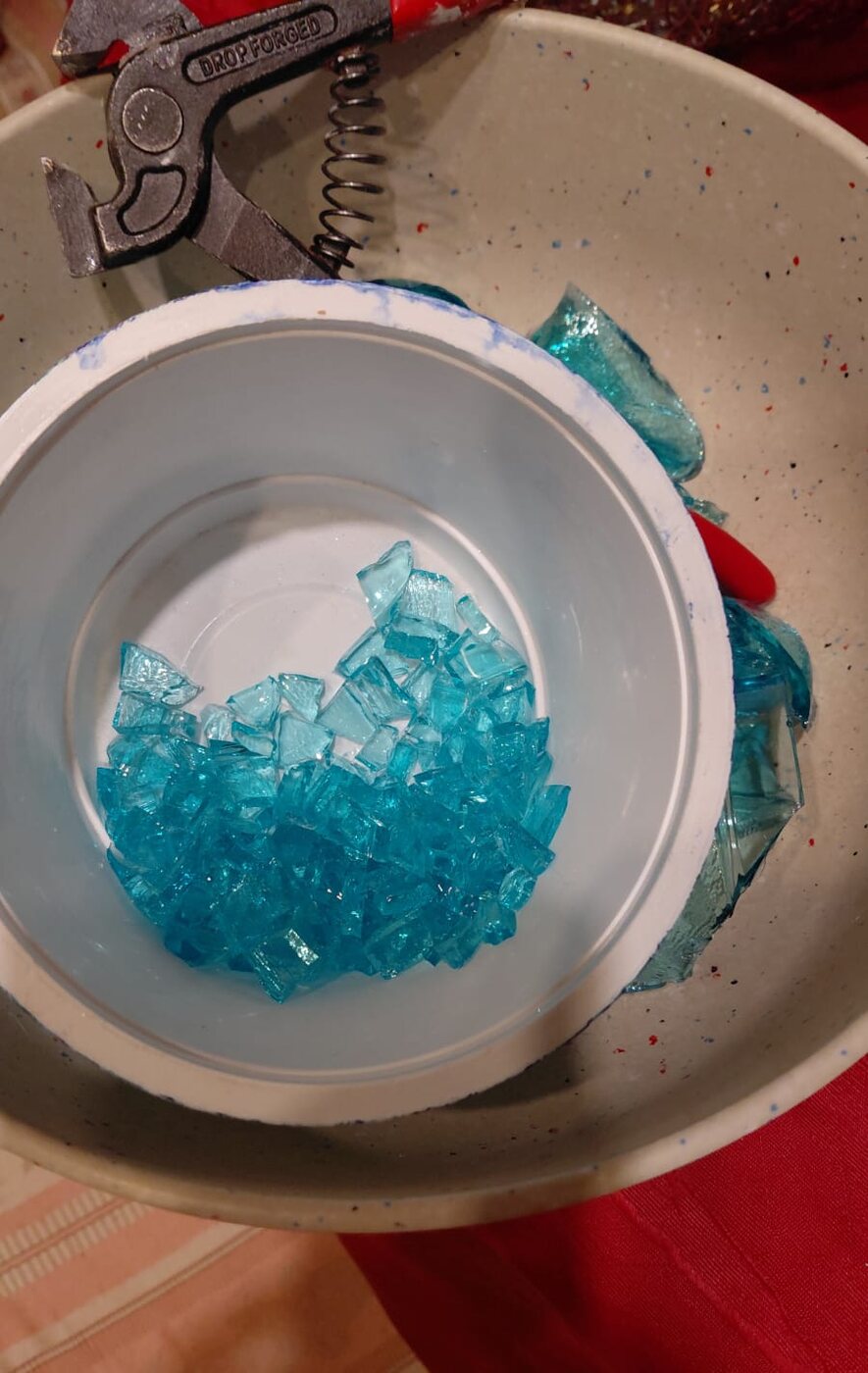
Tiles are broken with pincers, one piece at a time, until the shape is right. Then they go into mortar that is still wet, spaced by eye. I do not draw the pattern first on paper: it comes out while I work, depending on which colours are left in the bucket.
Waiting
When a piece is finished I prop it up in the house and look at it for days, sometimes weeks. If I still like it after all that time, it goes on the wall or out in the garden. If it does not convince me, it goes back in the bucket and the materials end up in something else.
At home
Where the work happens
There is no studio. There is the house, the courtyard and the jars full of material sorted by type. These photographs show the materials as they are before they become anything.
Commissioned work
If you have a wall, an entrance or a courtyard
Tell me the measurements, where it goes and what colours are around it. I will tell you whether I feel up to it and how long it takes.
Tell me about it